


You can read this article below or watch/listen to it on our YouTube channel.
***
Have you ever caught yourself monitoring something fundamental about who you are – your voice, your needs, your emotions – calculating how much you can express before you cross some invisible line into “over the top” or “weak”?
All of a sudden, you feel like your voice is too loud, your ambition too hungry, your anger too raw, or your vulnerability too… dependent. So you shut the feelings down, or silence yourself mid-sentence, just to be on the safe side.
These experiences are echoes of a systematic transformation that’s been happening for thousands of years – one that took place alongside another aligned shift, where powerful feminine deities and spirits, along with their associated creative and emotional energy, were reframed as monsters and relegated to the dark. And by the way, this is relevant for you regardless of your gender.
My name’s Hazel Gale. I’m a therapist turned author and co-creator of the fantasy mental health game Betwixt, and today we’re exploring the Harpies as an example of how the vital feminine energy that flows through all of us got cast as predatory and dangerous. Now, this old demonisation has become the unquestioned norm, but the Harpies still fly among us. If we listen closely enough, we can hear them in the opinions we silence, the appetites we suppress, and the rage we swallow. So what happens when we choose to stop seeing creatures like these as the monsters?
The Harpies
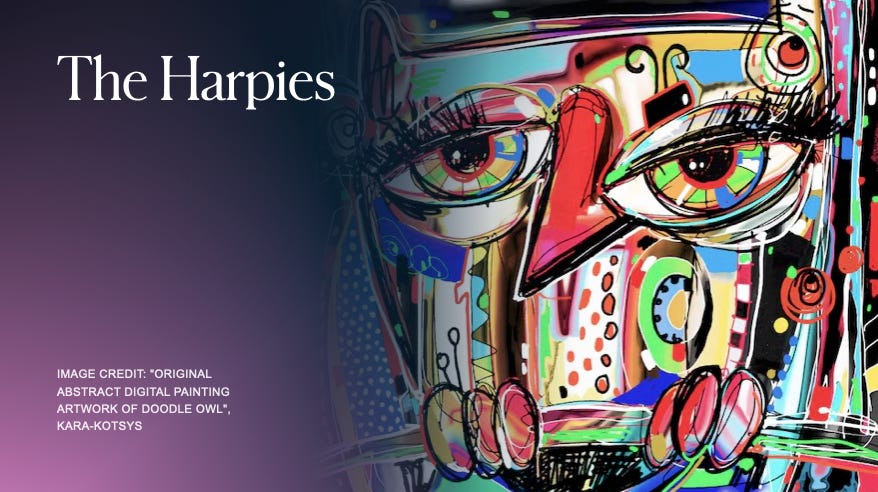
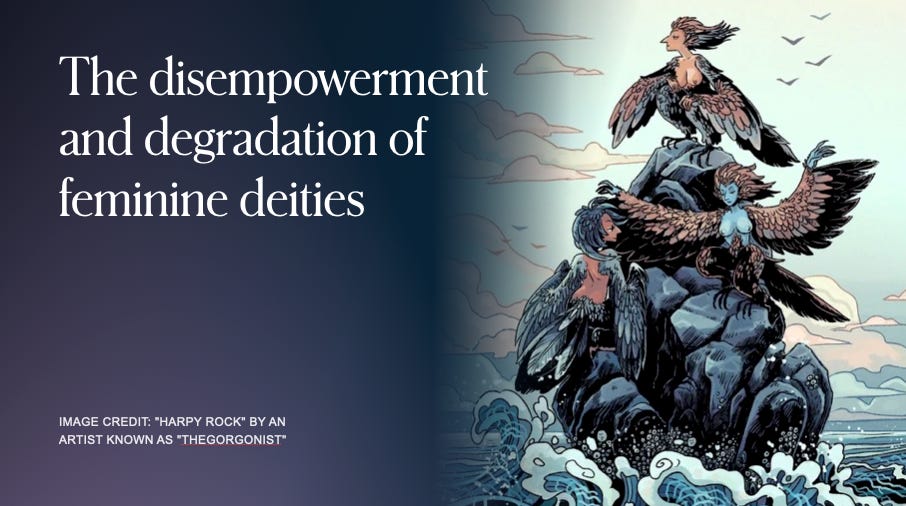
In their earliest form, the Harpies were wind spirits – daughters of the sea god Thaumas and the ocean nymph Electra.
In Hesiod’s Theogony, from around 700 BCE, they were portrayed as powerful and beautiful but relatively benign winged maidens with lovely hair. The Harpies were associated with the elements, storms, divine will, and the power of nature itself. The names they’re given in this account, Aello and Ocypetes, mean “Storm-swift” and “Swift-flier”.
By 19 BCE, however, the Roman poet Virgil described the Harpies in the way that became the standard view in the medieval period and beyond: repulsive creatures with the faces of women and the bodies of birds. Virgil supplied a third Harpy name, too: Celaeno, which translates to “the dark (or gloomy) one”.
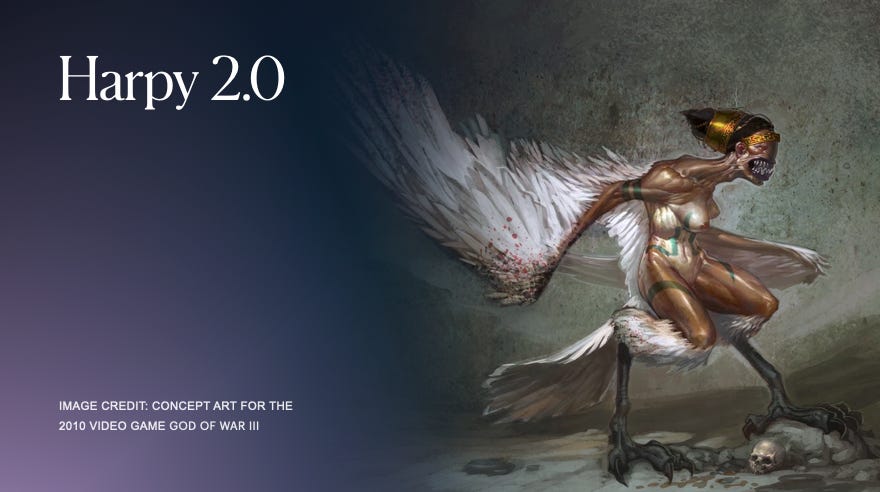
Virgil’s description highlights the foulness of the Harpies, emphasising their clawed hands and gaunt, hunger-stricken appearance. When the Trojans encounter them, the Harpies are described as swooping down, plundering a feast, soiling everything they touch, and emitting a foul stench and hideous screams. Celaeno was said to deliver prophecies with her unbearable screeching voice.
Their swiftness became a threat, and their voices too. Their power became pollution, and their appetite became theft. Fair maidens with beautiful hair devolved into ugly, filthy, malevolent beings who were instruments of divine retribution. Yeesh.
The systematic transformation
The Harpies weren’t alone in their fall, however; Medusa suffered a similar fate. The Gorgons – Medusa and her sisters – likely began as Earth Mother symbols, associated with birth and transformation. Some scholars argue that the “terrible grimace” found on ancient Gorgoneion masks may actually represent the face of a woman in labour. Medusa herself was a priestess in Athena’s temple. She was beautiful, holy, and sacred… until she wasn’t.
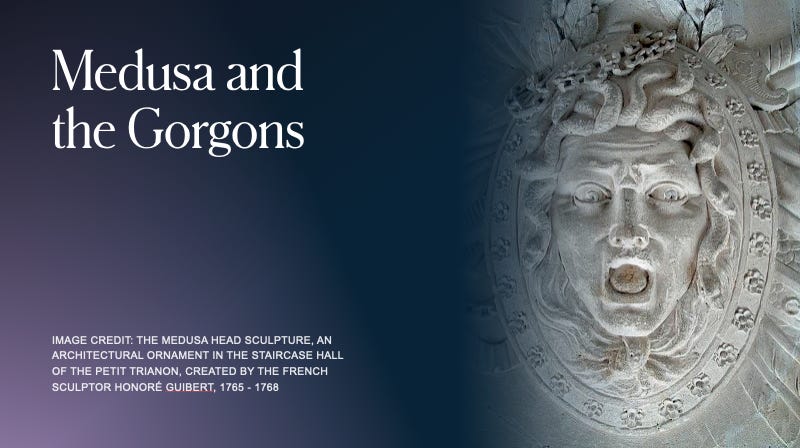
The version of Medusa we all know is a monster whose gaze turns men to stone. She became this way after lying with Poseidon – either consensually or not – and her story shows us that, over the years, feminine beauty and sexuality became deadly. The face of life-giving creation became the face of paralysis and death.
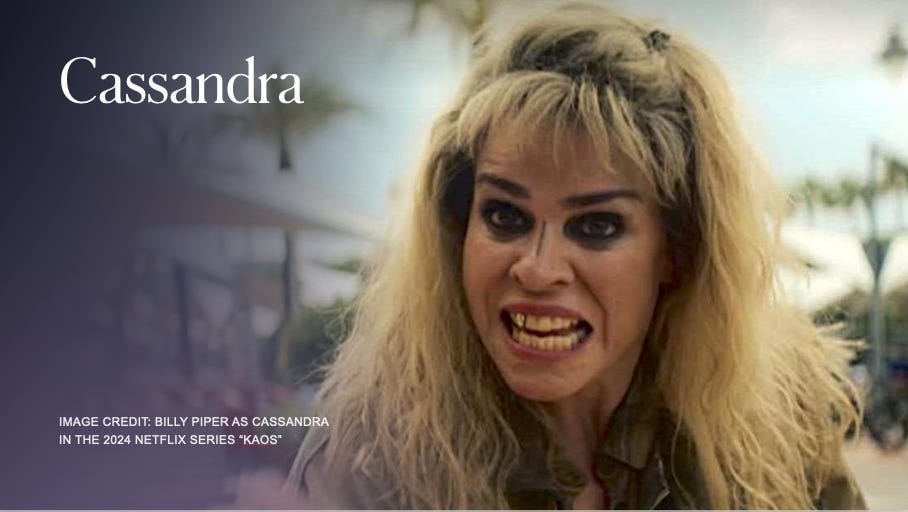
In a similar – albeit less monstrous – vein, Cassandra was a priestess who was cursed by the god Apollo after she refused his sexual advances. Though she was given the gift of true prophecy, part of the curse ensured that no one would ever believe her warnings, leading her to be viewed as a desperate madwoman while the Trojan War unfolded.
And Echo was a talkative nymph cursed by the goddess Hera to be able only to repeat the last words spoken by another person. Heartbroken by her unrequited love for the self-obsessed Narcissus, she wasted away until nothing was left of her but the sound of her voice forever echoing the words of others.
See the pattern? Disempowerment and degradation flow through all these stories, as do two other particularly interesting themes: starvation and stealing. The Harpies are the agents of famine via theft – they snatch or defile King Phineus’s food, causing hunger and physical torment. Medusa became a creature that leeched the life out of men. Cassandra was starved of credibility. Echo was starved of her authentic voice before literally wasting away. And all of these female figures had their original sacred identities stolen from them, while being reduced to meaningless, powerless or fear-inducing caricatures.
The modern mythologies that shape our culture, perspective, spirituality and self-perception have their roots in these ancient archetypes. And it is those persistent motifs that continue to cast feminine power – especially feminine power that refuses accommodation – as impotence at best, predatory threat at worst.
The shriek that never ceased
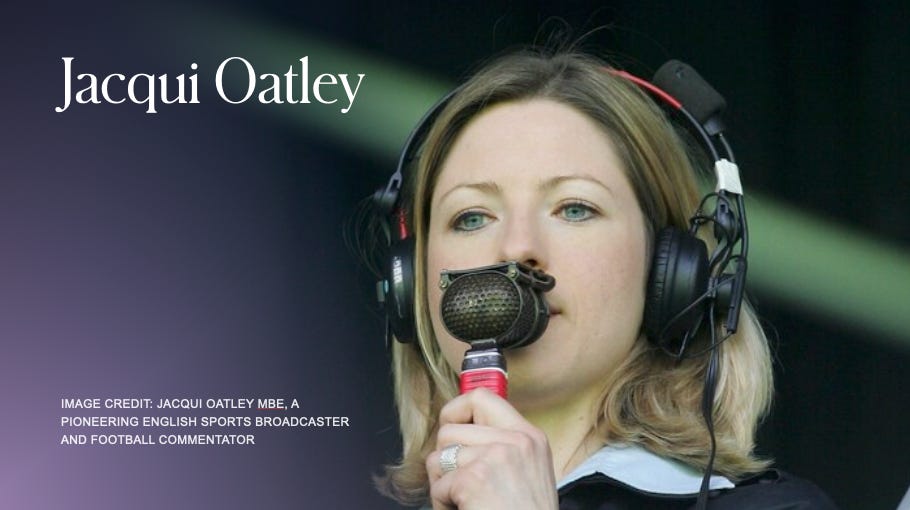
In 2007, Jacqui Oatley became the first female commentator on Match of the Day (that’s a football programme here in the UK). The media response was of course disparaging and sexist: “From Motty to Totty,” said one tabloid newspaper.
Eleven years later, Vicki Sparks became the first woman to commentate on a men’s World Cup match. Former Chelsea player Jason Cundy complained on prime-time television that her voice was “too high” for his tastes.
Brave a peek at the online forums, though, and you’ll find the truly telling, uncensored opinions of male fans describing the female commentator’s voice as “high-pitched screeching,” and saying it (quote) “completely irritates and goes through me”. Comments were (and still are) made about female pundits’ voices being unbearable and unsuitable for “the beautiful game” of football.
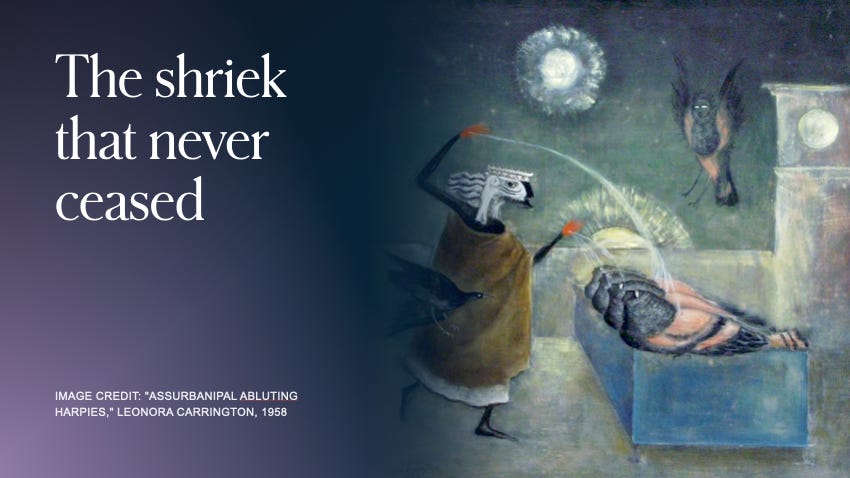
Are these sports fans still hearing the Harpies’ voices echo through Sparks and Oatley’s commentary? I’d say so. A woman’s voice in a position of authority – explaining football, offering analysis, taking up sonic space – gets heard as shrieking and treated as the contamination of a field that should remain pure.
Even outside of the male-dominated world of football, words like “shrill” and “hysterical” (the etymology of which relates to “wandering womb”) get thrown almost exclusively at women.
In the movies, more often than not, a raised female voice signals a loss of control, while a raised male voice displays passion or authority. And the same goes for our off-screen voices, because the cultural memory of the Harpy is still alive. We’ve internalised it, and now we police it without questioning where our biases come from.
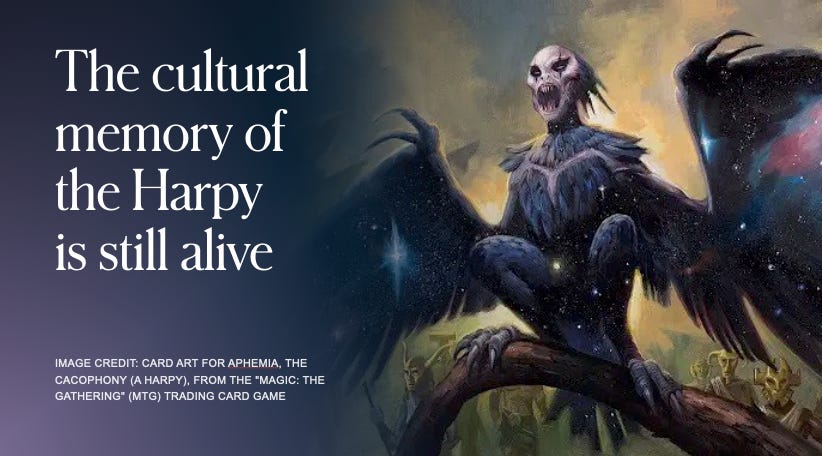
This pattern doesn’t stop at voices. The Harpies were also demonised for snatching food, expressing hunger and taking what they wanted. How many of us have learned to minimise our desires or apologise for wanting more space, recognition, pleasure, time, rest? People socialised as women learn that their needs are selfish and that ambition is unfeminine.
At a public speaking appearance, once, I bolted into the loos, rushing before my talk. As I did this, I said to my friend, “Grab me a water from the bar”. Later, she congratulated me for asking for what I wanted, and it stopped me in my tracks. Even though she was praising my directness (it turned out she was writing an article on this topic), in that moment I felt ashamed – “Oh no! I shouldn’t have done that,” I said. “I’m sorry!”
The foundational fear embedded in stories like those of the Harpies is that feminine power is unholy, untouchable, and by nature a pilfering force – that it consumes what rightfully belongs to others in a zero-sum game. By extension, feminine-identified people find themselves in this bind: be powerless and “safe” like Cassandra, or powerful and monstrous like the Harpies and Medusa. There is no third option.
The fate of men
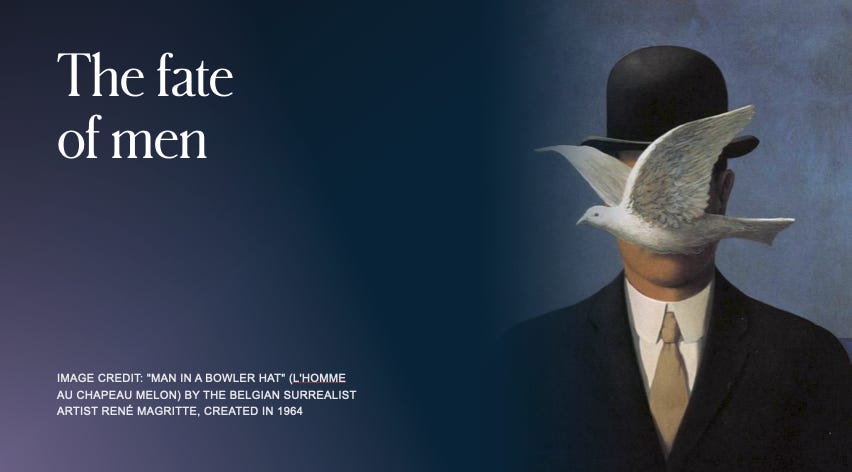
But – and I hope I haven’t already lost all the menfolk reading this piece – it’s not only women who get burned by this dynamic. The demonisation of the feminine captures men just as viciously, only differently.
Traditional masculine norms emphasise qualities like emotional stoicism, independence, assertiveness, and strength. These norms encourage men not to be vulnerable, which is to say, they make emotion, doubt, shame, love and all sorts of other fundamentally human experiences into threats to their masculinity.
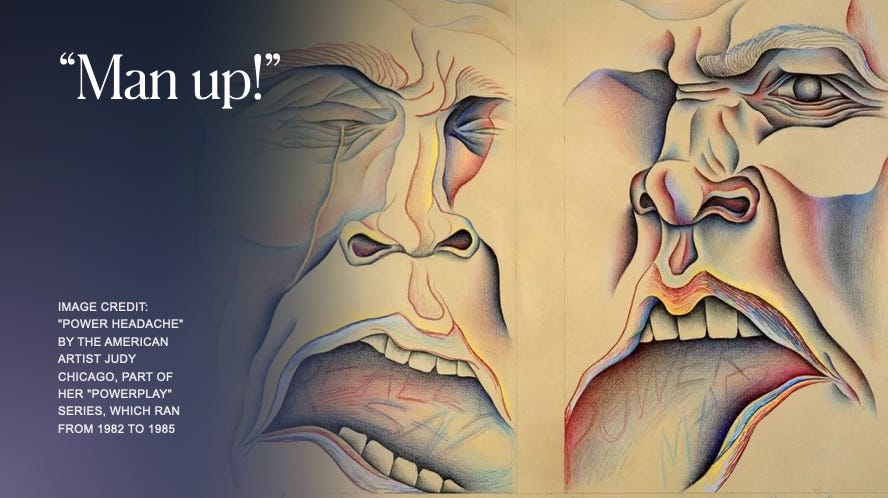
Research shows that particular criticisms are reserved for men who talk about their feelings. Men who express emotions are told they’re weak, unmanly, or “acting like a girl”. This may sound like a rather flaccid jibe, especially as we know intellectually that “acting like
a woman” is no real insult, but the meaning beneath it is serious. In simply expressing their emotions, men face ridicule, social punishment, and are seen as examples of failed masculinity,
reportedly being called “lightweights” when seeking mental health support, or being told to “man up” instead of expressing fear or vulnerability.
And so we’re back to the contamination motif again. This time, it’s not the football pitch that’s being polluted, but manliness itself – emotional expression is framed as feminine poisoning of acceptable masculinity.
Research shows that particular criticisms are reserved for men who talk about their feelings. Men who express emotions are told they’re weak, unmanly, or “acting like a girl”. This may sound like a rather flaccid jibe, especially as we know intellectually that “acting like a woman” is no real insult, but the meaning beneath it is serious. In simply expressing their emotions, men face ridicule and social punishment, and are seen as examples of failed masculinity – reportedly being called “lightweights” when seeking mental health support, or being told to “man up” instead of expressing fear or vulnerability.
And so we’re back to the contamination motif again. This time, it’s not the football pitch that’s being polluted, but manliness itself – emotional expression is framed as feminine poisoning of acceptable masculinity.
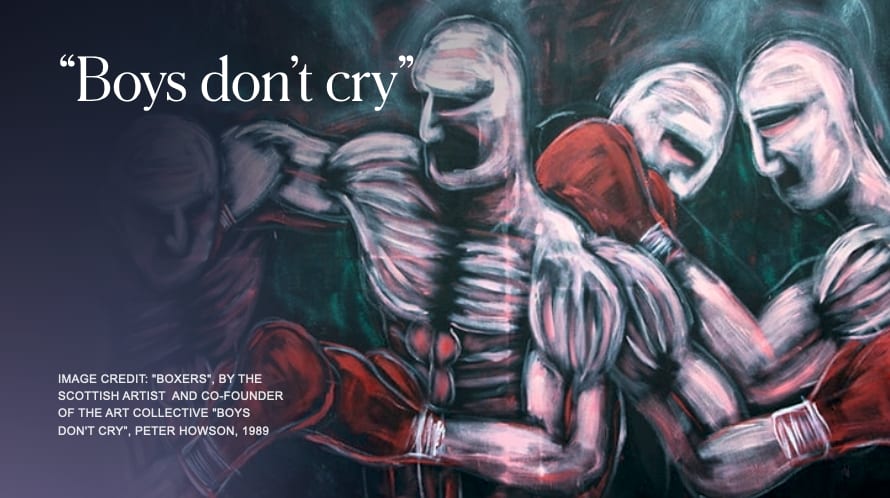
Of course, men do experience emotions just as strongly as women, but because those feelings don’t align with traditional views of masculinity, they get redirected – often into anger, violence, substance abuse, or complete emotional shutdown.
So when we police feminine expression – when we call women’s voices “shrill” and men’s vulnerability “weak” – we’re enforcing the same brutal split. The dichotomy does not only plague women, because when the culture teaches us that half of human experience is beyond the pale, we all fragment, and we all find ourselves performing acceptable personas while hiding the hunger, rage, need, softness, or desire that we’ve been taught makes us monsters.
The cultural shift
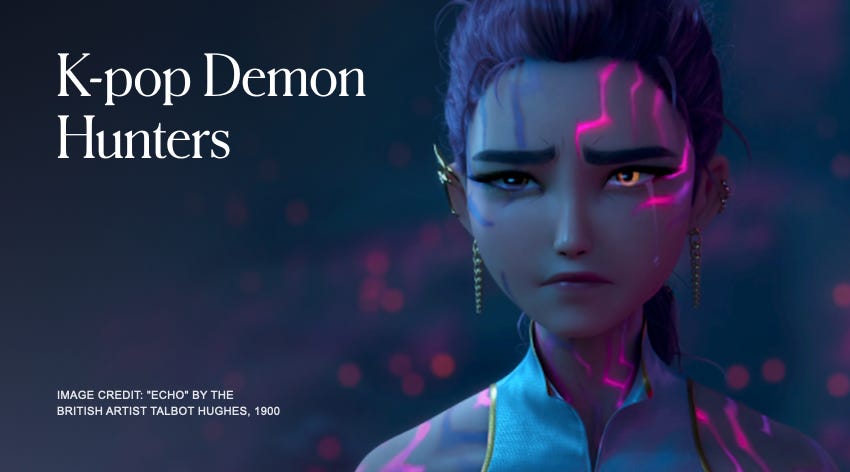
All that said, we’re seeing something interesting happen in contemporary storytelling. I’ve spoken about a number of these in previous articles, like the animated film K-Pop Demon Hunters, where a half-demon protagonist learns to integrate rather than eliminate her demon nature.
Pixar’s Turning Red shows a teenage girl whose family tradition requires her to suppress her inner red panda – a wild, loud, passionate feminine energy whose debut coincides with her first period – but she chooses to keep it rather than seal it away.
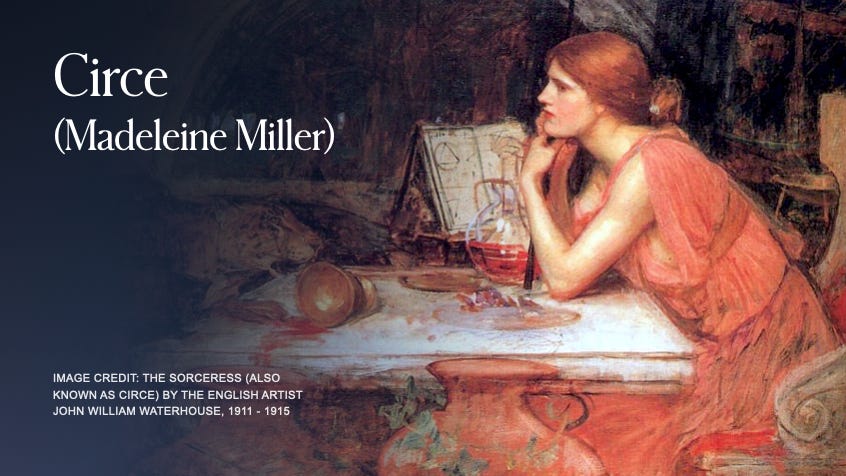
Madeline Miller’s Circe reclaims the witch goddess from her villain status in Homer’s Odyssey, giving back her voice, desire, rage, and power without apology.
And in Netflix’s Wednesday, we meet a young woman who embodies darkness, macabre interests, and social rejection – traditionally “monstrous” feminine qualities – but she’s the hero, and her darkness is her strength.
The list goes on. Are we finally reclaiming the monstrous feminine? I hope so, but it’s not without backlash. These trends of reclamation exist alongside the continued punishment of women who embody such power.
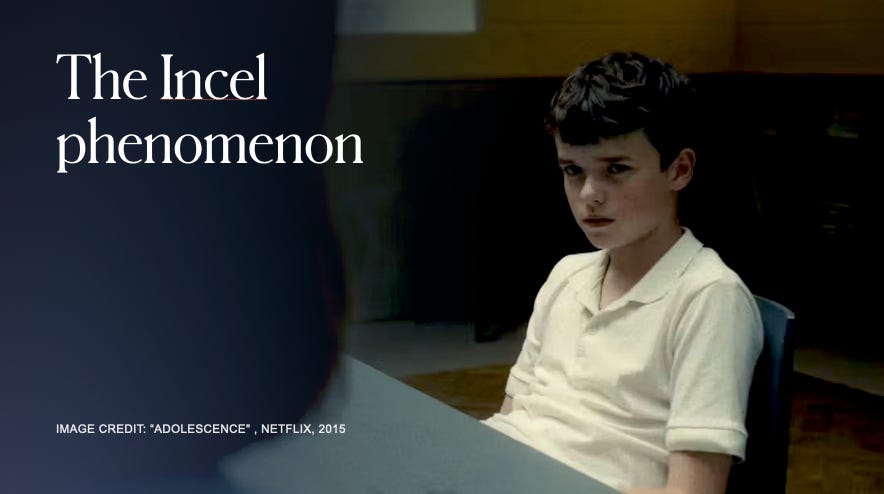
The incel phenomenon, for example, frames women’s liberation as the theft of what rightfully belongs to men – the foundational Harpy fear made explicit.
The overturning of landmark abortion rights in the United States reasserts control over women’s bodies and choices.
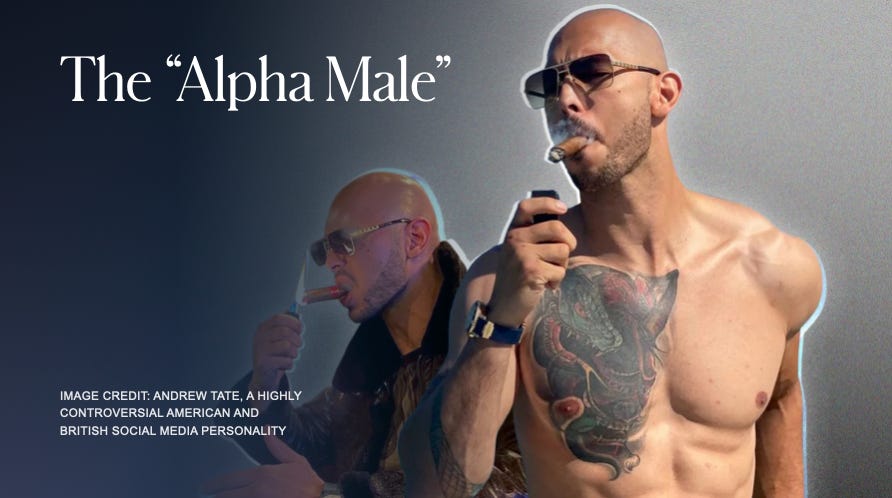
The rise of “alpha male” influencers like Andrew Tate teaches millions of young men that women’s autonomy is the enemy.
A 2015 study illustrated how we interpret anger differently depending on its source. Participants joined a simulated jury deliberation via text chat. They had to come to an agreement with the other jurors on whether to convict a fictional defendant. The study subjects thought they were conversing with other participants, but in reality, all the other voices in each conversation were supplied by the researchers. In the chat, four or five jurors would agree with whatever verdict the participant settled on. A final member, the only one given a gender-coded name, would disagree, either with anger, fear or in a neutral tone. When the disagreeing voice was given as a man’s name and spoke with passion, the subjects were often swayed. When those same angry arguments were given a female username, however, the participants doubled down on their original stance, growing more adamant and confident in the verdict they’d arrived at, rather than questioning it. It was anger that made the biggest difference in this study, not fear or neutrality. Feminine power that refuses to accommodate is a bitter pill to swallow, and when we face it, we fight back.
So while the warped myths are being challenged, they are far from having been dismantled. This systematic demonisation has thousands of years of momentum, and it won’t reverse just because we’ve recognised the pattern. Which brings us to the truly important question: what can we do with this knowledge?
The reunion
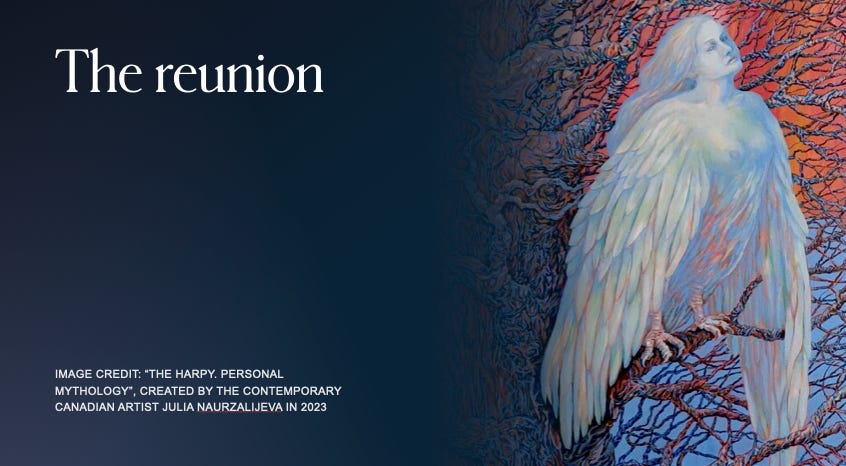
I’m not telling you any of this so we can all go out and fight the powers that be – although you are more than welcome to do that (safely, please) if you want. What I do think we can all benefit from, though, is a little internal shake-up, because no matter what’s going on out there in the external world, the internal integration will always be up to us.
And there are many, many ways to un-demonise the monstress for ourselves. We can choose to recognise this pattern, stop believing the old myths, and bring the exiled parts back home by continuing to tell and read stories like those we’ve just discussed.
We can stand in front of the mirror and see Medusa, or hear the Harpy in our voice, and we can smile, because they are beautiful, powerful, sacred archetypes if we just rewind to where they really came from.
We can make a conscious, determined decision to honour our needs more often, voice our opinions a little louder, and express our emotions without shame.
We can dance alone in our houses, speak directly, stop performing niceness when we’re actually livid, and we can hold our chins high when we share our authentic feelings.
And we can choose to challenge our own assumptions when listening to feminine-aligned people speak, too.
The world will continue to demonise femininity and feeling for a while yet, but that doesn’t mean we have to internalise the message or allow it to rule our lives. Jacqui Oatley and Vicki Sparks both still commentate on the football, and they both still get criticised, too, but that doesn’t stop them from using their voices.
I suggest we all do the same. For us, this might mean stating our opinion in a meeting without hedging it with “I might be wrong, but...” or saying “no” to a request without offering three justifications. It might mean admitting vulnerability without self-deprecating humour, or expressing tenderness without irony. These small acts of refusal – refusing to shrink, to perform, to sanitise – are the daily practice of integration. Because the work is daily. Hell, it’s hourly – it’s a quiet, internal challenge every time the culture tells us to shrink, accommodate or “man up”.
The “monstrous” feminine isn’t waiting in some story realm to be saved; she’s walking beside us every day. And each time we refuse to lower our voice, or to minimise our hunger, anger or hurt, she grows a little less monstrous.
There will be days when we choose the old performance over our reunion with the monstress. Some days survival requires this, and some days we’ll just be too damn tired. But that’s okay, because integration is incremental, and each small act of rebellion that we find the energy or security to make helps us all to remember that the feminine was never the monstrous force – it was her demonisation that devoured our freedom.
–
REFERENCES:
Hesiod’s Theogony (c. 700 BCE)
Virgil’s Aeneid (c. 19 BCE)
Natalie Lawrence, Our Monsters and Their Meaning (2023); Marija Gimbutas, The Language of the Goddess (1989)
A forum thread on boards.footymad.net titled “Who is that screaming high pitched female football commentator covering the FA Cup?”
Christine Hamel, Why Policing the Way Voices Sound Has to Stop, The Brink, Boston University (2020)
Riddhi Raj U.P and Soumya Simon, Help-seeking, emotional expressivity and male role norms among young adult men; World Journal of Advanced Research and Reviews, 2025
Gough Brendan, Robertson Steven, Luck Hannah; Engendered Expressions of Anxiety: Men’s Emotional Communications With Women and Other Men; Frontiers in Sociology, 2021
Oliffe JL, Connecting Masculinities to Men’s Illness Vulnerabilities and Resilience. Qual Health Res. 2023
Salerno, J. M., & Peter-Hagene, L. C. (2015). One angry woman: Anger expression increases influence for men, but decreases influence for women, during group deliberation. Law and Human Behavior, 39(6), 581-592.
Jess Zimmerman, Women and Other Monsters (2021)
Image credit: “Decrepitude, ruins & devastation” by the Spanish artist Juan José Martinez Canovas, created around 2020
The line about “refusing to shrink, to perform, to sanitise” says so much. Many women are taught to make their truth more comfortable before they’re allowed to speak it, and that kind of self-editing can become its own quiet loss.
Well done 👏🏼 so helpful to ground these specific mythic images in their true sources. Delicious! like a drink from a very deep well. (Especially yummy after seeing The Odyssey)